Resurface a Concrete Pool Deck With Cool-Deck Coating
A chalky, cracked pool deck ages the whole backyard — and bare concrete gets griddle-hot by July. One coating weekend fixes the look and the burned feet.
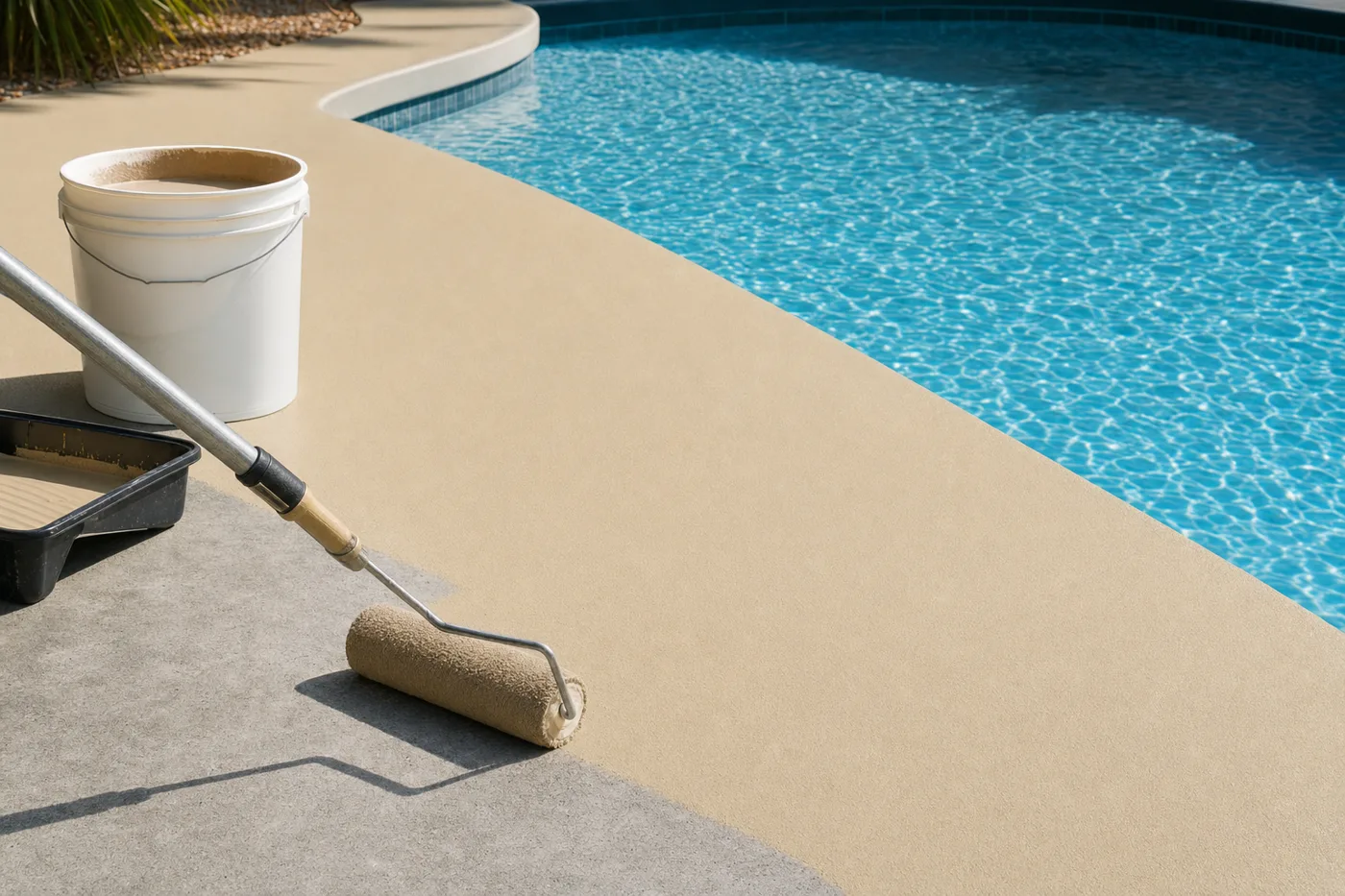
Pool decks live a hard life: chlorinated splash, UV all day, freeze-thaw in winter, and bare feet judging every surface. After a decade the concrete goes chalky, hairline cracks map across it, and by mid-afternoon it’s too hot to cross without hopping. An acrylic cool-deck coating solves all three problems at once — it bridges the cosmetic cracking, reflects enough heat to drop the surface temperature noticeably, and dries with a fine texture that grips wet feet.
What coatings fix, and what they can’t
Acrylic resurfacing handles hairline cracks, surface wear, stains, and dated color. It does not fix slabs that have heaved or settled out of plane — a trip edge between panels needs grinding or mudjacking first — and it won’t stick to a deck previously coated with an unknown sealer without stripping. Do the water-drop test: if water beads on the bare concrete instead of soaking in and darkening it, a sealer is present and the deck needs stripping or grinding before anything else.
Wash like you mean it
Pressure-wash the entire deck with cleaner-degreaser, holding the tip a consistent 12 inches off the surface — closer etches wand marks you’ll see through the coating. Sunscreen residue is the sneaky bond-breaker on pool decks; give the loungers’ favorite spots a second pass. Let the deck dry a full 24 hours.
Fill cracks and mask the edges
Gun elastomeric crack filler into anything wider than a hairline and tool it flush; it stays flexible so the crack doesn’t just print back through. Tape and mask the coping, skimmer lids, and any deck anchors, and drape plastic over the waterline tile. Wind carries coating spray farther than you’d guess — mask like it’s someone else’s pool.
Roll the first coat thin
Mix the coating thoroughly and roll or spray a thin, even first coat, working in 4-by-4 sections and keeping a wet edge. Start at the far corner and plan your retreat so you never paint yourself against the water. Thin is the discipline: two thin coats outlast one thick one by years, and thick acrylic peels in sheets.
Texture coat, then check the grip
After the first coat dries (usually 2 to 4 hours in summer), apply the second coat with the texture roller or hopper gun for the classic knockdown surface. When it’s dry to the touch, wet a small area and test it barefoot before reopening the deck — if it’s slick anywhere, a third pass with anti-slip additive fixes it now, cheaply.
Check the forecast twice: acrylic coatings need surface temps between roughly 50°F and 90°F, no rain for 24 hours, and no scorching direct sun during application — coating a hot slab flash-dries the acrylic before it bonds. Early morning is the pool-deck painter’s friend.
Two thin coats and a barefoot test beat one thick coat every time.
Keeping it cool
Rinse the deck monthly through swim season so chlorine and sunscreen never build a film, and touch up high-traffic paths with a quart of matching coating each spring. A well-applied acrylic system recoats every 3 to 5 years — an easy Saturday once the prep habit is built — and the deck never goes back to griddle mode.
Keep the momentum going
All articles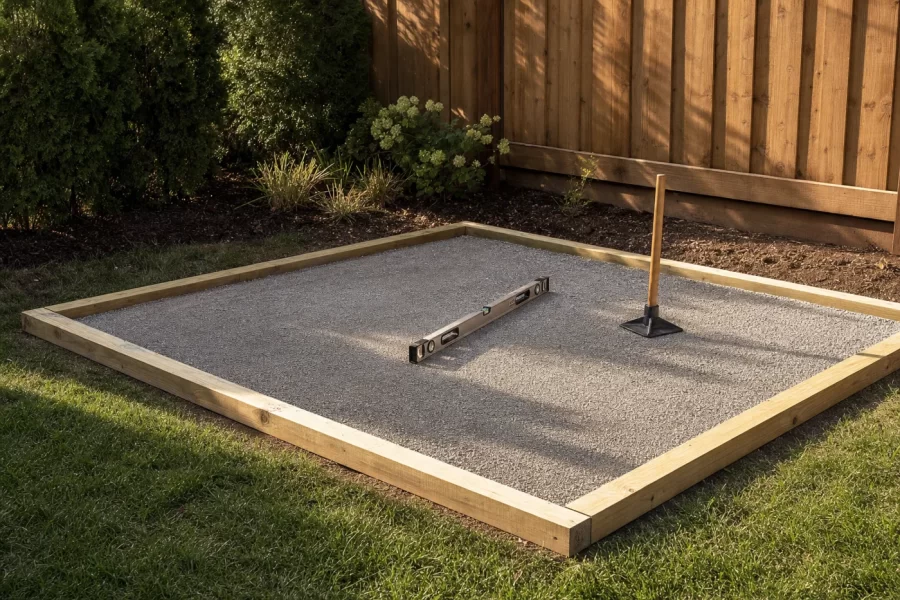
Prep a Hot Tub Pad That Can Carry Three Tons
A step-by-step guide to building a hot tub base: doing the weight math, gravel versus concrete, leveling, and where the GFCI disconnect must go.
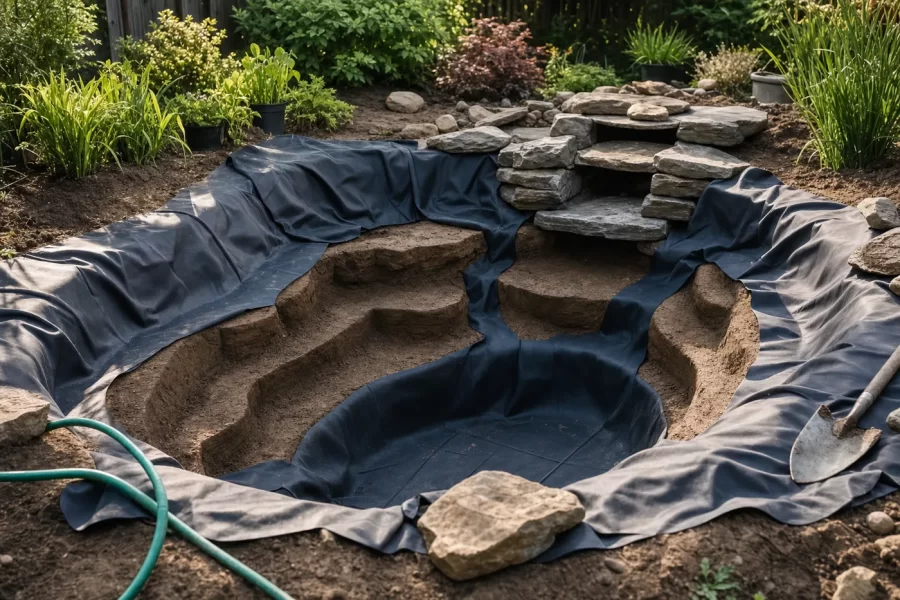
Dig and Line a Backyard Pond With a Small Waterfall
A step-by-step guide to building a lined garden pond: digging plant shelves, underlayment and EPDM liner, sizing the pump, and stacking a spillway.
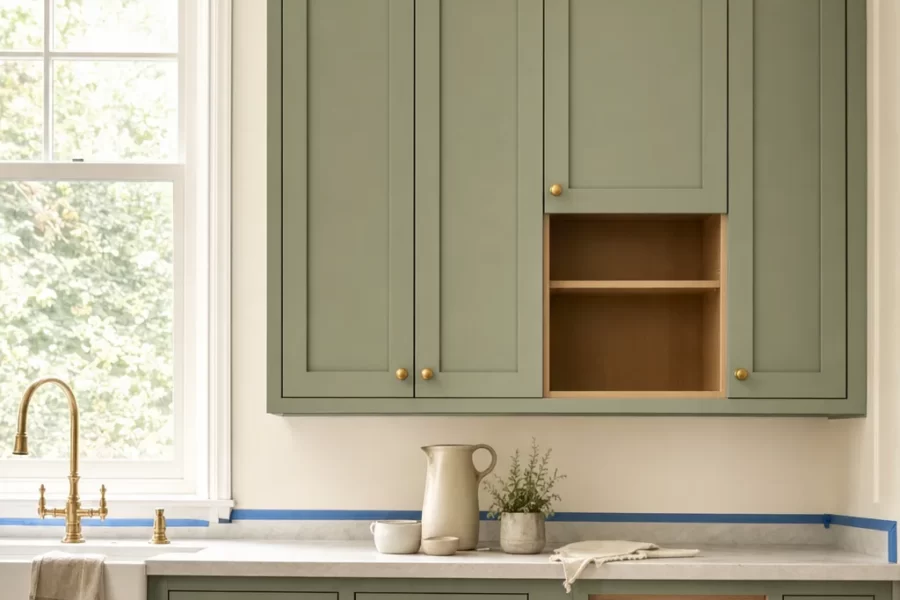
How to Paint Kitchen Cabinets Like a Pro
A step-by-step DIY guide to painting kitchen cabinets: degreasing, sanding, priming, and roller technique for a factory-smooth finish on a weekend budget.