Prep a Hot Tub Pad That Can Carry Three Tons
A filled hot tub with four people aboard can push past 5,000 pounds on a footprint the size of a dining table. The pad underneath is not the place to improvise.
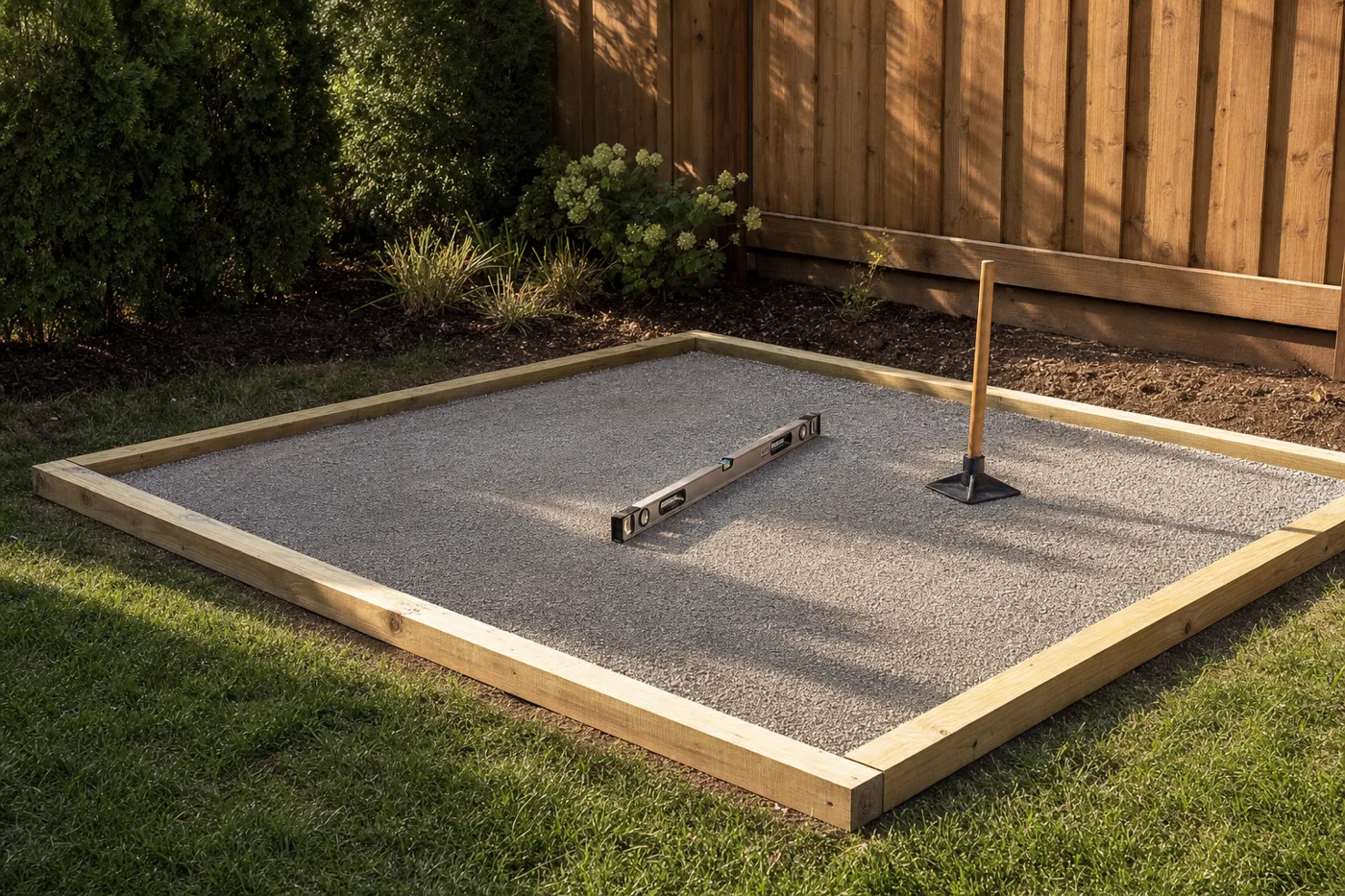
Hot tub shopping is fun; hot tub math is mandatory. A typical 7-foot spa weighs about 800 pounds empty, holds around 400 gallons of water at 8.3 pounds per gallon, and seats four adults — call it 5,500 pounds on roughly 50 square feet, north of 100 pounds per square foot, all day, every day, for years. Decks need an engineer’s sign-off at those numbers. Ground-level pads don’t, but they need to be built like they mean it, because a tub that settles out of level stresses its shell and voids most warranties.
Gravel or concrete?
A 4-inch reinforced concrete slab is the forever answer — pour it 6 inches bigger than the tub each way and cure it a week before delivery. But a properly built compacted-gravel pad carries the same load, drains better, costs a third as much, and is fully DIY-able in a weekend, which is why spa dealers increasingly recommend it. What never works: patio pavers on sand (they rock and shift point loads into the shell), bare lawn, or an existing patio slab you haven’t confirmed is 4 inches thick. When in doubt, ask your dealer for the manufacturer’s base spec — it’s a warranty document.
Pick the spot with the wires in mind
Site the pad on undisturbed soil, not recent fill, with drainage falling away and real access for delivery — spas arrive on edge and need a 4-foot-wide path. Check setback rules, and think about the electrical run now: a 240-volt spa needs a dedicated 50-amp GFCI circuit, and trenching gets pricier with every foot from the panel.
Excavate and frame
Mark a footprint 6 inches larger than the tub each way, strip the sod, and dig down 4 to 6 inches — level bottom, not sloped. Frame the perimeter with ground-contact timbers screwed at the corners, level the frame in both directions, and pin it with rebar spikes. Lay landscape fabric across the bottom so the stone can’t migrate into the soil.
Fill, compact, and screed dead level
Add crushed stone in 2-inch lifts, compacting each lift hard before the next. Screed the top flush with the frame using a straight 2×4 and check level corner to corner and across the diagonals. The manufacturer’s tolerance is typically half an inch across the whole pad — measure like it matters, because the shell will find any hollow.
Get the electrical done right — by a pro
Hire a licensed electrician for the 240-volt circuit. Code requires the GFCI disconnect box mounted in line of sight of the tub, at least 5 feet away so nobody can touch it from the water, with the conduit trenched at the depth your jurisdiction specifies. This is permit-and-inspection territory, and it should be: water plus 50 amps is exactly what GFCI protection was invented for.
Never shim a hot tub level after the fact with wedges under the shell — point loads crack acrylic and void warranties. If the filled tub reads off level, drain it and fix the pad. It’s a lost afternoon, versus a lost shell.
Do the weight math first: the water alone outweighs a small car.
Before delivery day
Walk the delivery path and measure every gate and corner, have the electrician’s rough-in inspected, and let a gravel pad sit through one hard rain to prove its compaction. Recheck the tub for level a month after filling — a properly built pad won’t have moved, and now you have the baseline to prove it.
Keep the momentum going
All articles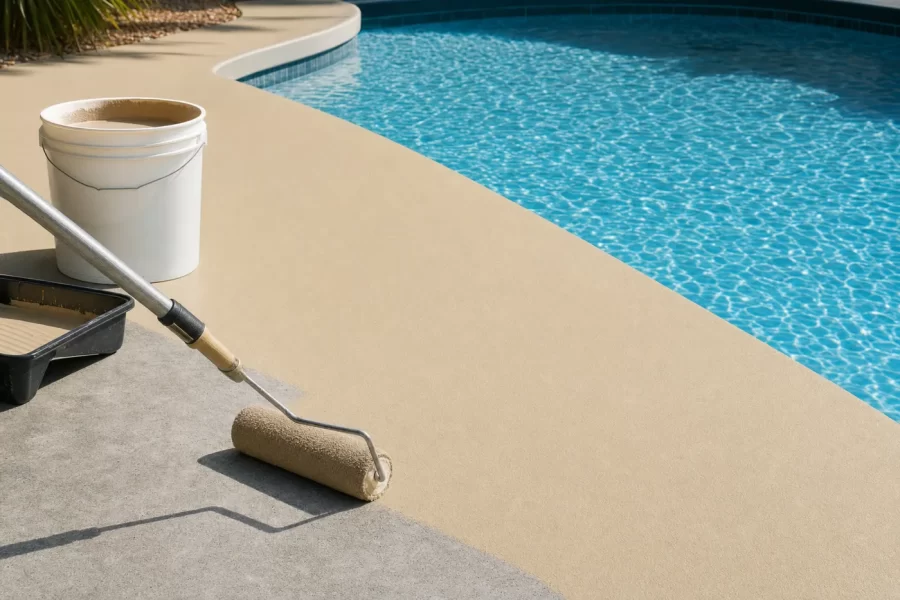
Resurface a Concrete Pool Deck With Cool-Deck Coating
A step-by-step guide to renewing a worn concrete pool deck: pressure washing, crack repair, acrylic cool-deck coating, and a barefoot-friendly texture.
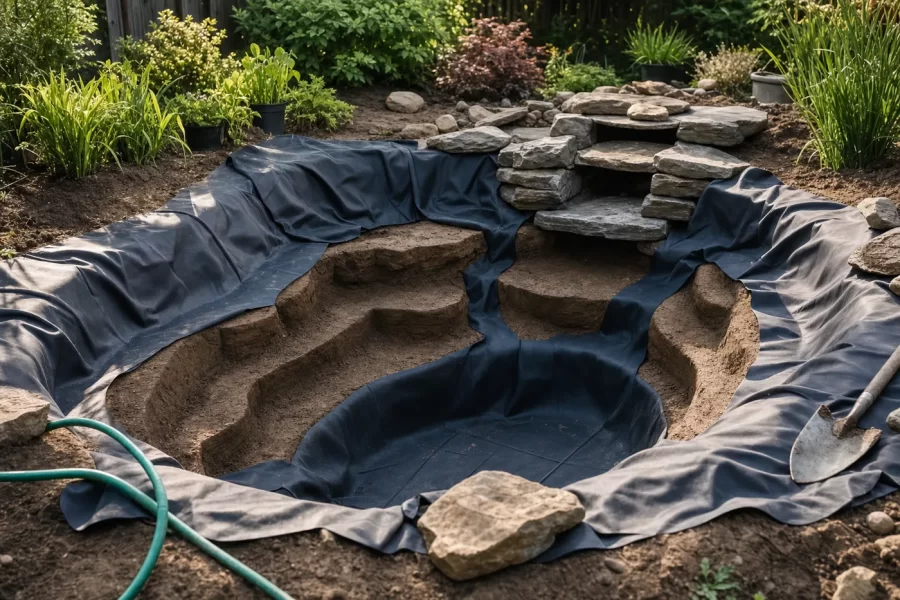
Dig and Line a Backyard Pond With a Small Waterfall
A step-by-step guide to building a lined garden pond: digging plant shelves, underlayment and EPDM liner, sizing the pump, and stacking a spillway.
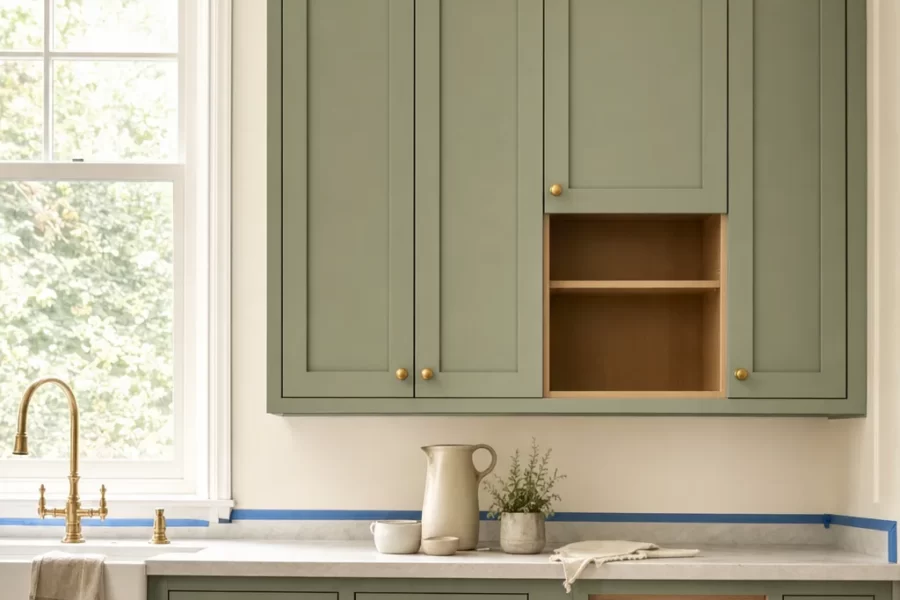
How to Paint Kitchen Cabinets Like a Pro
A step-by-step DIY guide to painting kitchen cabinets: degreasing, sanding, priming, and roller technique for a factory-smooth finish on a weekend budget.