Ten One-Hour Universal Design Swaps Anyone Can Make
Universal design isn't a remodel — it's ten small swaps that make a house easier for every hand, every age, every grocery-laden hip. Each one takes about an hour.
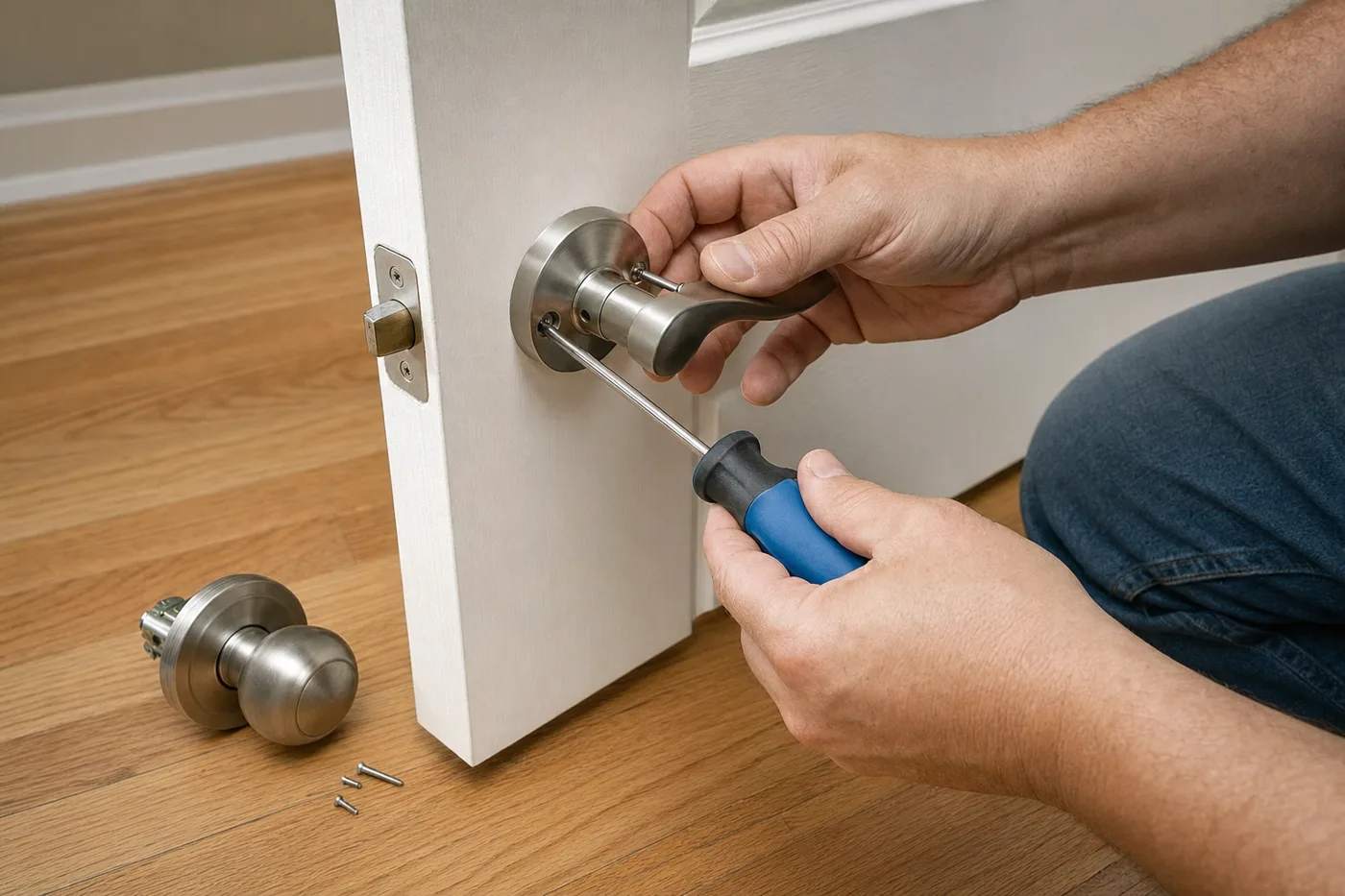
Universal design has a marketing problem: it sounds like hospital equipment, when it’s really just design that doesn’t fight the user. A lever handle opens with an elbow when your arms are full of groceries. A rocker switch works for a five-year-old, a painter with wet hands, and an eighty-year-old with arthritis. These ten swaps are each about an hour, none requires a permit, and together they quietly remove most of a house’s daily friction — and much of its fall risk.
The principle behind the list
Every swap trades a precision grip for a gross motion, or adds light where feet and hands do their work. Wrists replace fingertips, palms replace pinches, and nobody navigates a dark stair. If a fixture demands twisting, pinching, or guessing, it’s a candidate.
Swap knobs for levers, doors and faucets alike
Interior lever handles install with the same two through-bolts as the knobs they replace — 15 minutes per door. In the kitchen and bath, a single-lever faucet replaces the two-handle twist type using basic under-sink wrench work behind shutoff valves. Levers are the single highest-value swap on this list.
Replace toggle switches with rockers
Breaker off, prove it dead with a tester, photograph the wiring, and move the wires one at a time to the new rocker. Same box, same screws, ten minutes each. While each plate is off, consider a motion-sensor or illuminated switch for halls and stairs — the switch you can find in the dark is the one that prevents the fall.
Light the landing zones
Brighter, warmer, high-CRI LED bulbs at the top and bottom of stairs, in closets, and over entry steps. Add plug-in motion night lights along the bedroom-to-bathroom route. Aging eyes need roughly double the light for the same task — a $40 round of bulbs is the cheapest vision upgrade available.
Flatten the thresholds
Any interior threshold taller than a half inch is a documented trip hazard. Unscrew tall transitions and replace with low-profile beveled ones matched to the flooring gap. At exterior doors, a small rubber threshold ramp turns a toe-catcher into a rollable, shuffle-proof slope.
Finish with the grip-and-reach details
D-shaped cabinet pulls instead of knobs, a handheld shower head on a slide bar, a raised-height toilet seat if it helps, and non-slip strips where rugs used to slide. Each is a screwdriver job; together they finish the sweep.
Anything beyond a like-for-like switch swap — aluminum wiring, no ground, mystery double switches — is electrician territory. And skip adhesive-mounted grab equipment entirely; safety hardware gets mounted to structure or not at all.
Good universal design is invisible. It just feels like the house stopped arguing with you.
The walk-through test
When the weekend’s done, walk the house with a closed fist — if you can operate every door, light, and faucet without opening your hand, you’ve built a house that works for a toddler, a cast, and every decade ahead. Revisit yearly; needs move, and now the house can too.
Keep the momentum going
All articles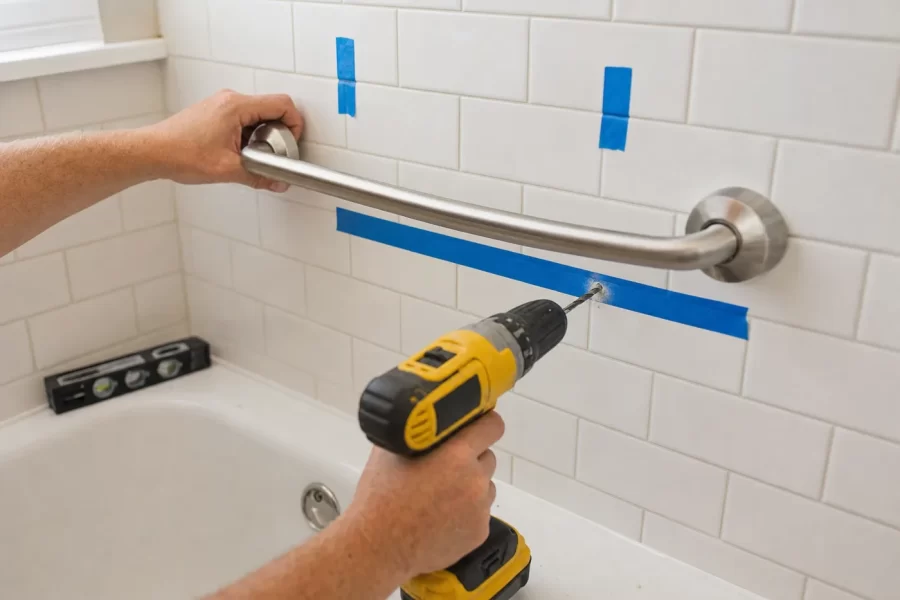
Install Grab Bars That Actually Hold 250 Pounds
A safety-first guide to mounting bathroom grab bars: finding studs behind tile, drilling porcelain without cracking it, rated anchors, and placement heights that work.
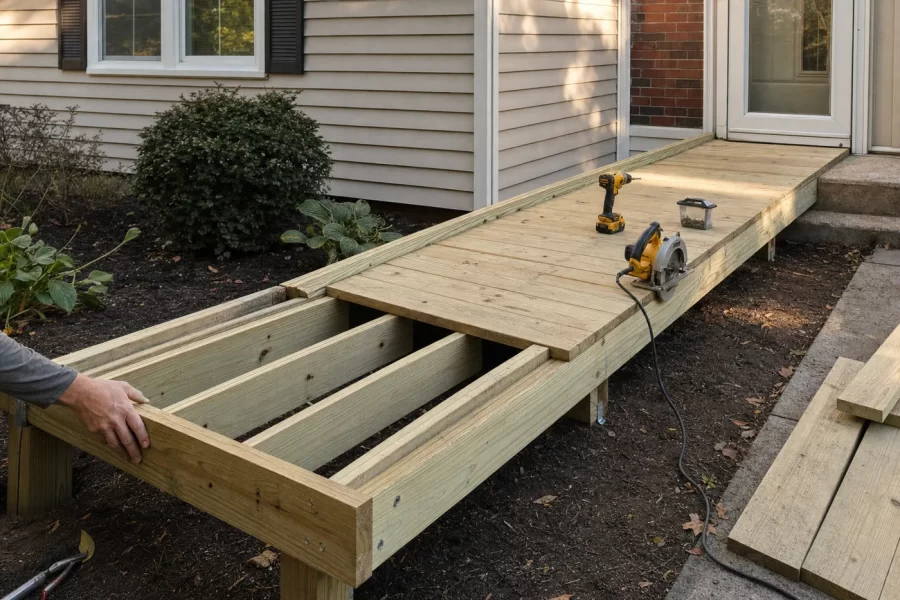
Build a Sturdy Entry Ramp With the Right Slope
A step-by-step guide to building a wheelchair-ready entry ramp: 1:12 slope math, footings and posts, joist framing, grippy decking, and code-height handrails.
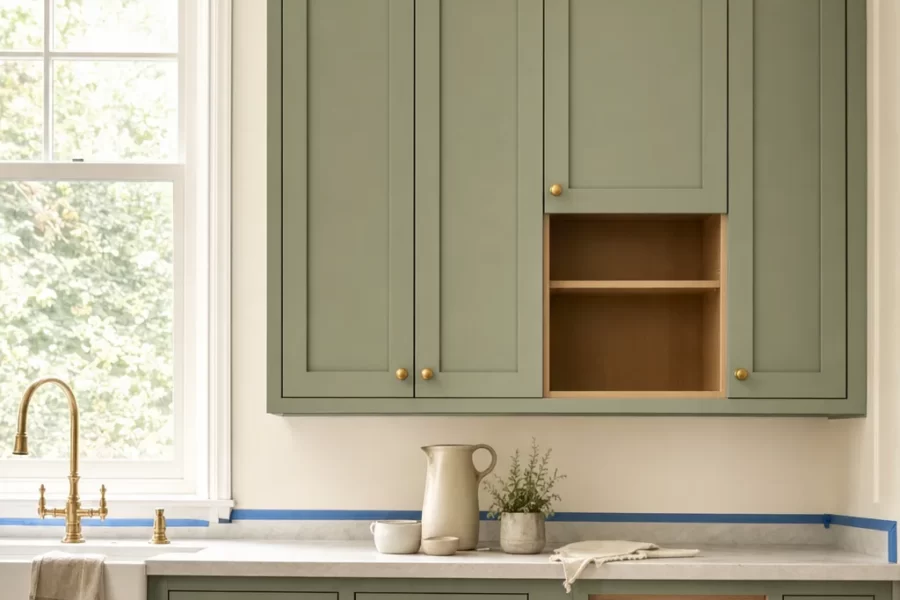
How to Paint Kitchen Cabinets Like a Pro
A step-by-step DIY guide to painting kitchen cabinets: degreasing, sanding, priming, and roller technique for a factory-smooth finish on a weekend budget.