Install Grab Bars That Actually Hold 250 Pounds
A grab bar is a promise: it will hold a falling adult, instantly, on the worst day. Towel-bar installation methods break that promise — here's the real spec.
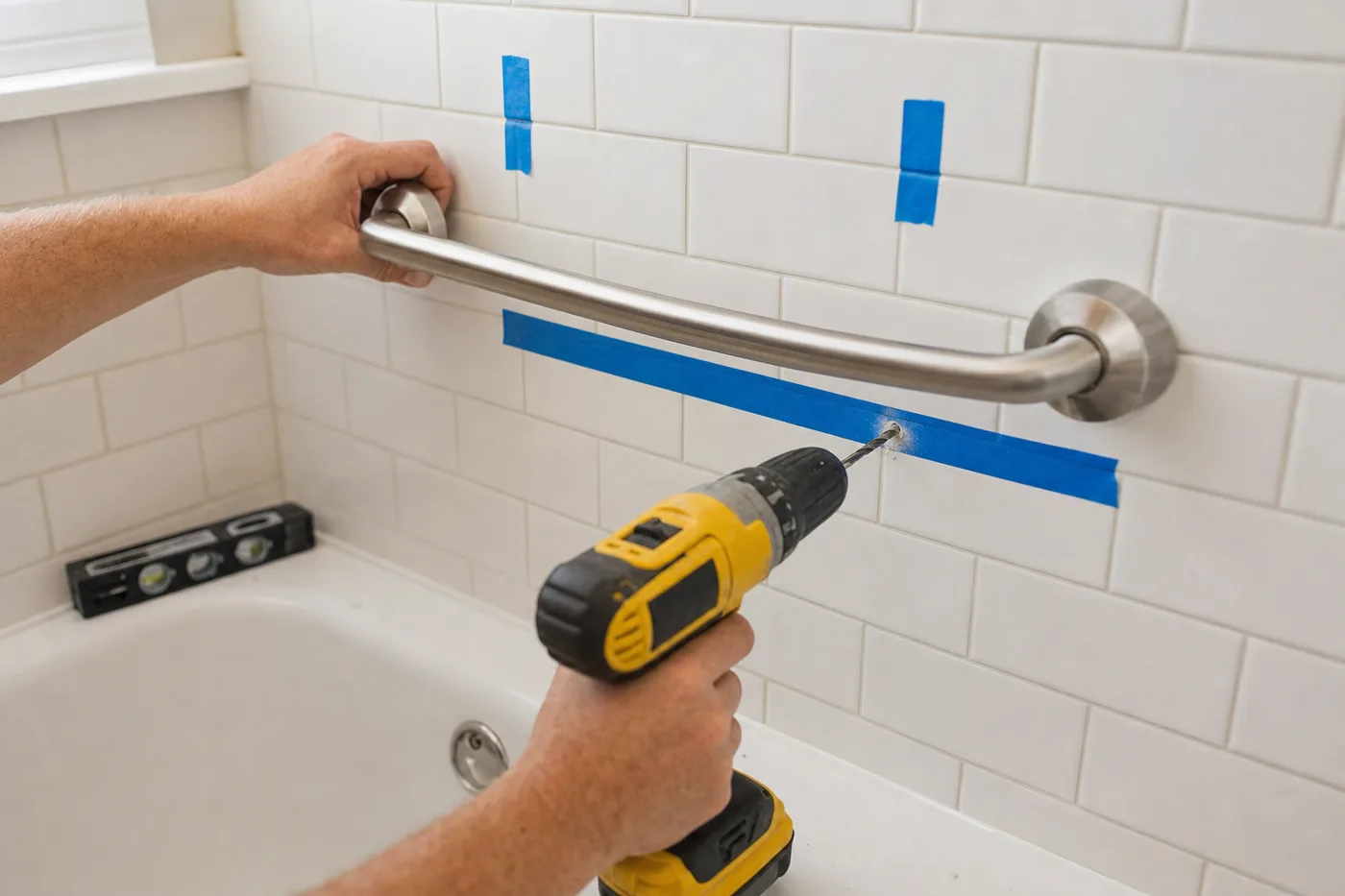
The bathroom is the most dangerous room in the house — hard surfaces, water, and the daily gymnastics of stepping over a tub wall. A properly mounted grab bar converts a fall into a caught stumble, but only if it’s anchored to hold a shock load of 250 pounds or more. That number is the entire job. A bar screwed to drywall with plastic anchors will rip out exactly when it’s needed, which is worse than no bar at all, because someone trusted it.
Where bars actually go
Three placements cover most falls: a vertical bar at the tub or shower entry where people step over the threshold, a horizontal bar on the long shower wall 33 to 36 inches off the floor, and a bar beside the toilet. Have the person who’ll use them stand in place and reach — their natural grab height beats any chart, within that 33-to-36-inch code band.
Find the studs, even behind tile
Stud finders struggle through tile and backer board. Cheat: scan the wall above the tile line where it’s bare drywall, then drop plumb lines down with a level. A strong magnet dragged slowly finds the screws in the backer board as backup. Mark stud centers with tape — you want two of the three flange screws in solid wood wherever possible.
Drill tile without cracking it
Stick painter’s tape over each mark to stop bit-skate, punch a tiny divot, and drill with a diamond or carbide tile bit at low speed with steady, light pressure — hammer mode off, always, or the tile spiderwebs. Mist the bit with water to keep it cool. Once through the tile, swap to a regular bit for the wood behind.
Use rated anchors where studs won’t cooperate
Grab bar flanges land where they land, and sometimes one flange misses wood. That flange gets a grab-bar-rated hollow-wall anchor — the heavy toggle style rated in the hundreds of pounds — never a plastic cone or a bare toggle bolt through crumbly drywall. If the wall is open from another room, gluing and screwing 2×6 blocking between studs is the gold standard.
Mount, seal, and torture-test
Drive stainless screws snug into every flange hole, run a thin silicone bead around each flange to keep water out of the wall, and then test like you mean it: grab the bar and pull with your full weight, hard, in the directions a falling person would. It should feel like part of the building. Any flex at all, take it down and fix the anchoring.
Never mount a grab bar with suction cups or adhesive pads as a permanent solution, and never repurpose a towel bar as a grab bar — towel hardware is rated for towels. If the wall is a fiberglass surround with a gap behind it, you need specialized backing methods; that’s a fair moment to bring in a pro.
A grab bar that holds 249 pounds is not 99.6 percent successful. It’s a failure with good intentions.
Check it twice a year
Give every bar the full-weight pull test when the smoke detector batteries get checked. Re-caulk flanges if the silicone cracks. And install bars before they’re needed — modern ones look like towel hardware, and the best time to catch a fall is years ahead of it.
Keep the momentum going
All articles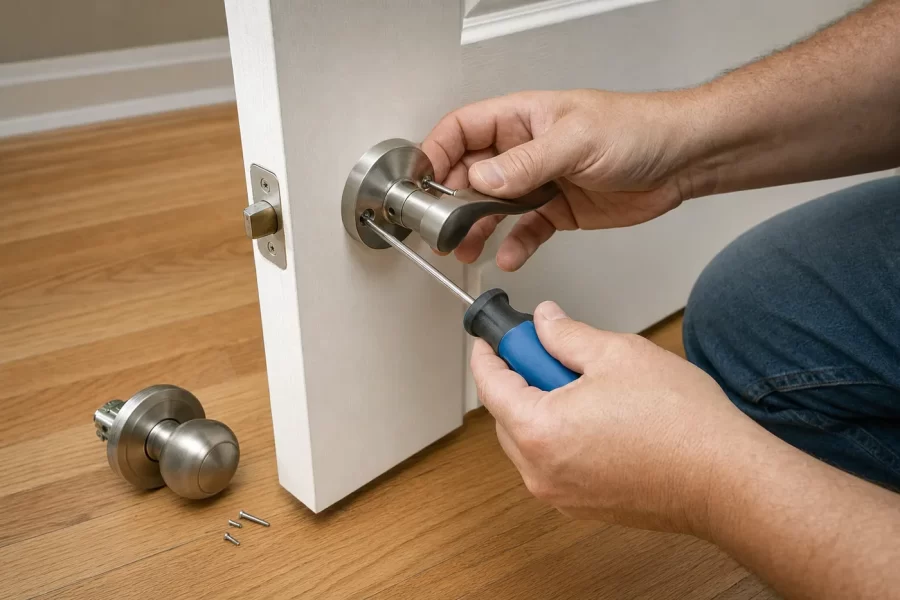
Ten One-Hour Universal Design Swaps Anyone Can Make
A practical guide to ten fast universal design upgrades: lever handles, rocker switches, brighter stair lighting, low thresholds, and faucets everyone can use.
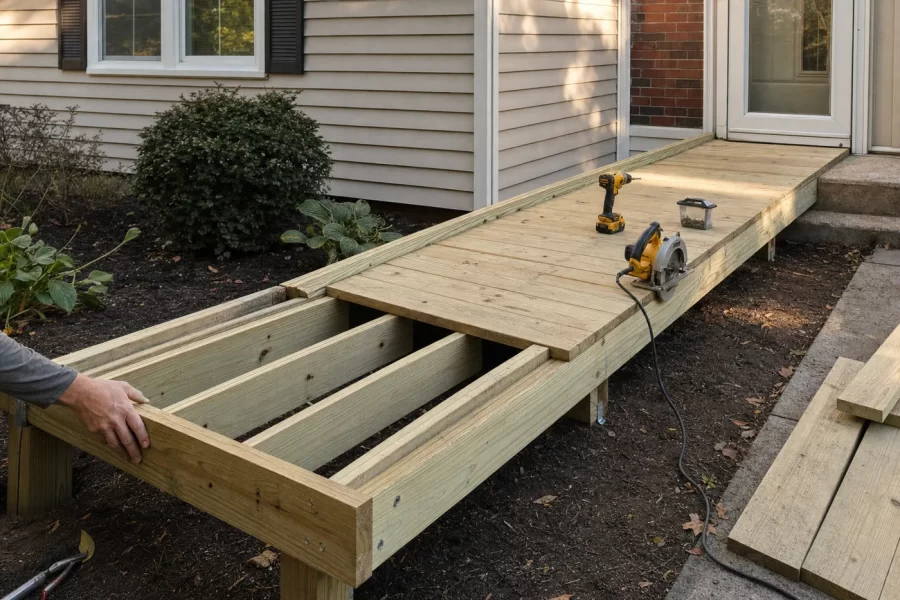
Build a Sturdy Entry Ramp With the Right Slope
A step-by-step guide to building a wheelchair-ready entry ramp: 1:12 slope math, footings and posts, joist framing, grippy decking, and code-height handrails.
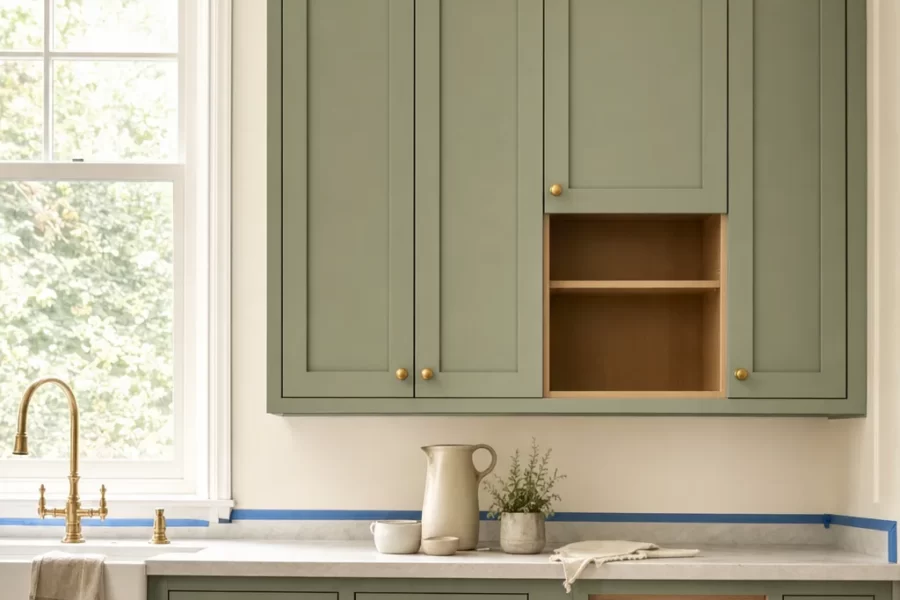
How to Paint Kitchen Cabinets Like a Pro
A step-by-step DIY guide to painting kitchen cabinets: degreasing, sanding, priming, and roller technique for a factory-smooth finish on a weekend budget.