Seal It Up: Weatherproofing Your Home Before the Seasons Turn
The average house leaks enough air through gaps and cracks to equal a window left open year-round. An afternoon with a caulk gun and $40 of weatherstripping closes most of it.
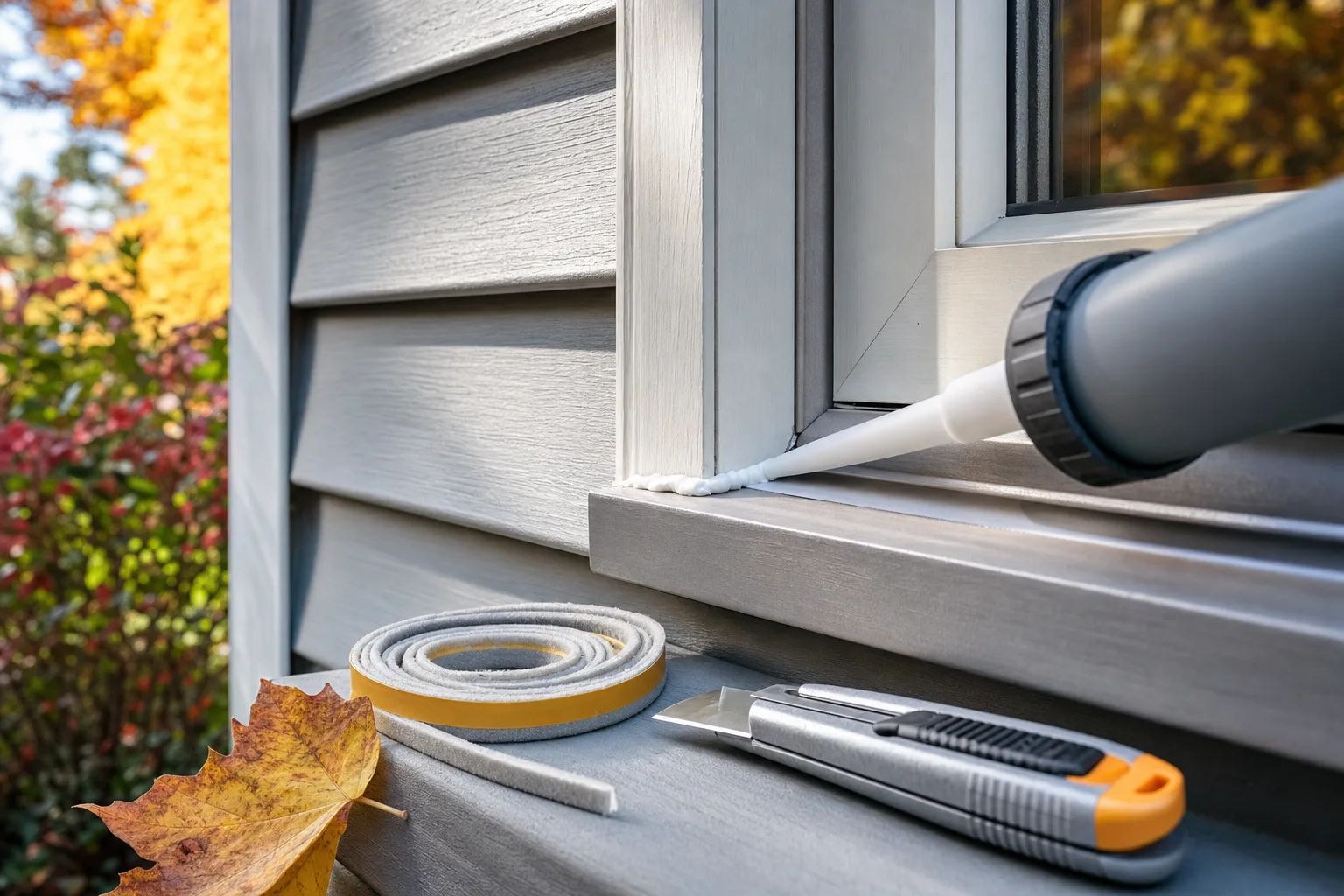
Weatherproofing is the least glamorous project on this site and the only one that pays you back in cash every month. Air leaks are invisible, so people ignore them — but add up every gap around a typical home’s windows, doors, pipes, and outlets and you get a hole the size of an open window, working against your heating and cooling around the clock.
Find the leaks first
On a breezy day, close the house up and walk the usual suspects with a lit incense stick: window sashes, door edges, outlets on exterior walls, the dryer vent, where pipes and cables enter, the attic hatch, and the gap between baseboard and floor. Wherever the smoke stream wavers, you’ve found a customer. Outside, look for cracked or missing caulk anywhere two materials meet — siding to window trim, trim to brick, siding to foundation.
Cut out the failed caulk
New caulk over old cracked caulk fails on the old caulk’s schedule. Slice the old bead free with a utility knife, scrape the channel clean with a painter’s tool, and brush out the dust. A clean, dry joint is most of a good bead.
Lay a clean exterior bead
Cut the nozzle at 45° with a hole a little smaller than looks right, and puncture the inner seal. Push the gun along the joint (pushing fills, dragging skims), keeping steady trigger pressure, then tool the bead in one pass with a caulk tool or a gloved finger. Gaps wider than 1/4″ get backer rod stuffed in first — caulk needs something to bridge. Use siliconized acrylic outside: it flexes, sheds water, and takes paint.
Weatherstrip doors and windows
Daylight visible around a closed exterior door is a gap in your wall. Fit adhesive foam or V-seal strips to the door stop so the closed door compresses them slightly — the door should close with a soft resistance, not a slam. Add a door sweep at the bottom (the biggest gap on most doors). For double-hung windows you don’t open in winter, V-seal in the sash channels works quietly and invisibly.
Gasket the outlets and seal the odd holes
Foam gaskets behind outlet and switch plates on exterior walls take thirty seconds each — kill the breaker first. Seal around pipe and cable penetrations with caulk (or canned foam for bigger gaps), and weatherstrip the attic hatch, which is usually the largest single leak in the house.
Don’t caulk the small weep holes at the bottom of window frames and brick courses — they’re drainage, not defects. Sealing them traps water inside the wall, which is a far more expensive problem than a draft.
A $6 tube of caulk, placed correctly, outperforms most gadgets sold as energy savers.
The one-hour fall repeat
Weatherproofing isn’t permanent — caulk and foam age. Put a one-hour walk-around on the calendar each fall: re-check the door sweeps, flex-test the exterior beads, and replace whatever’s cracked. Houses move; the maintenance is the project.
Keep the momentum going
All articles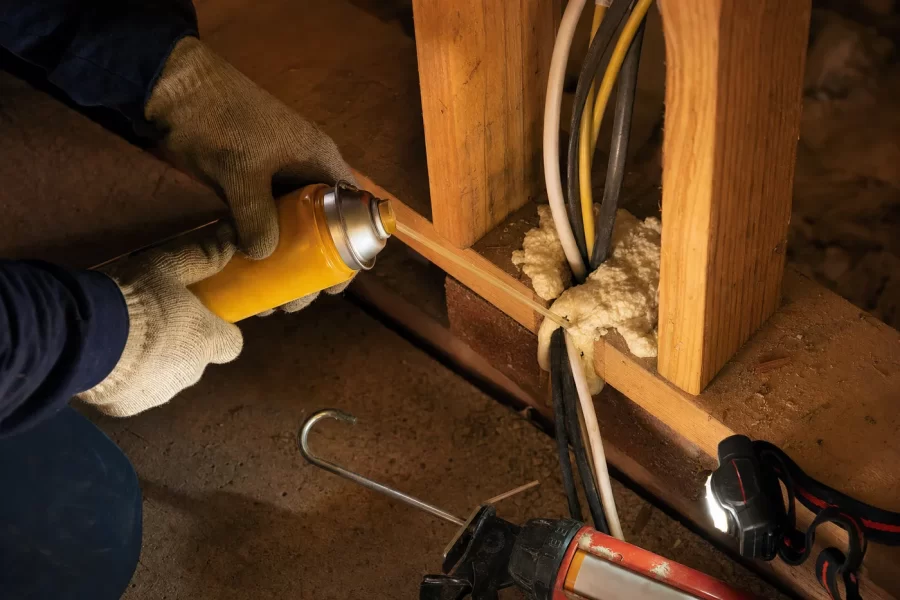
The DIY Energy Audit and Air-Sealing Weekend That Pays Rent
A step-by-step guide to a DIY energy audit and air-sealing weekend: smoke-pencil leak hunting, attic top plates, foam and caulk targets, and weatherstripping.
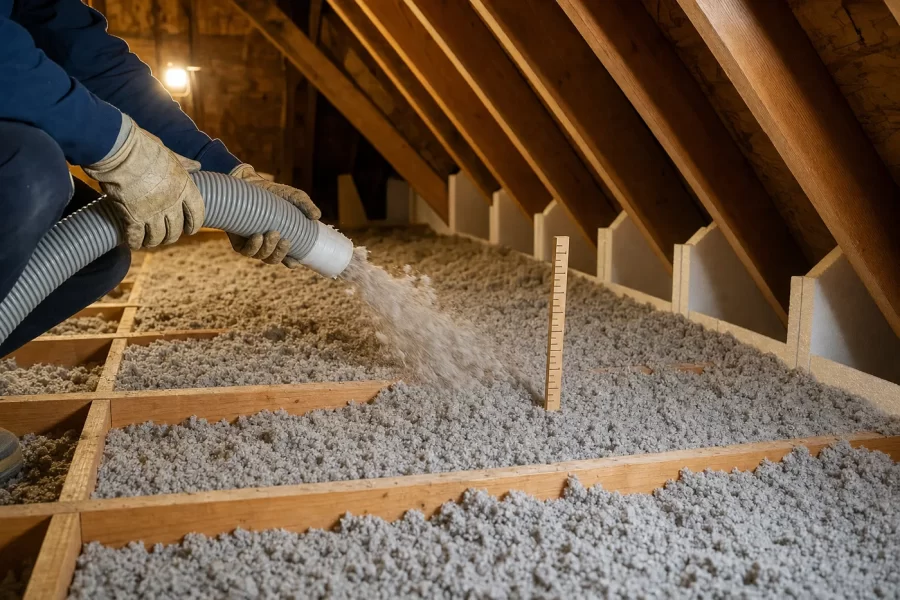
Top Up Attic Insulation to R-49 the Right Way
A step-by-step guide to topping up attic insulation: air-seal first, install baffles, choose blown-in over batts, and verify depth with rulers every ten feet.

How to Paint Kitchen Cabinets Like a Pro
A step-by-step DIY guide to painting kitchen cabinets: degreasing, sanding, priming, and roller technique for a factory-smooth finish on a weekend budget.