The DIY Energy Audit and Air-Sealing Weekend That Pays Rent
The average house leaks enough air to fill itself several times an hour, and most of the escape routes cost under a dollar apiece to close. This is the highest-ROI weekend in home improvement.
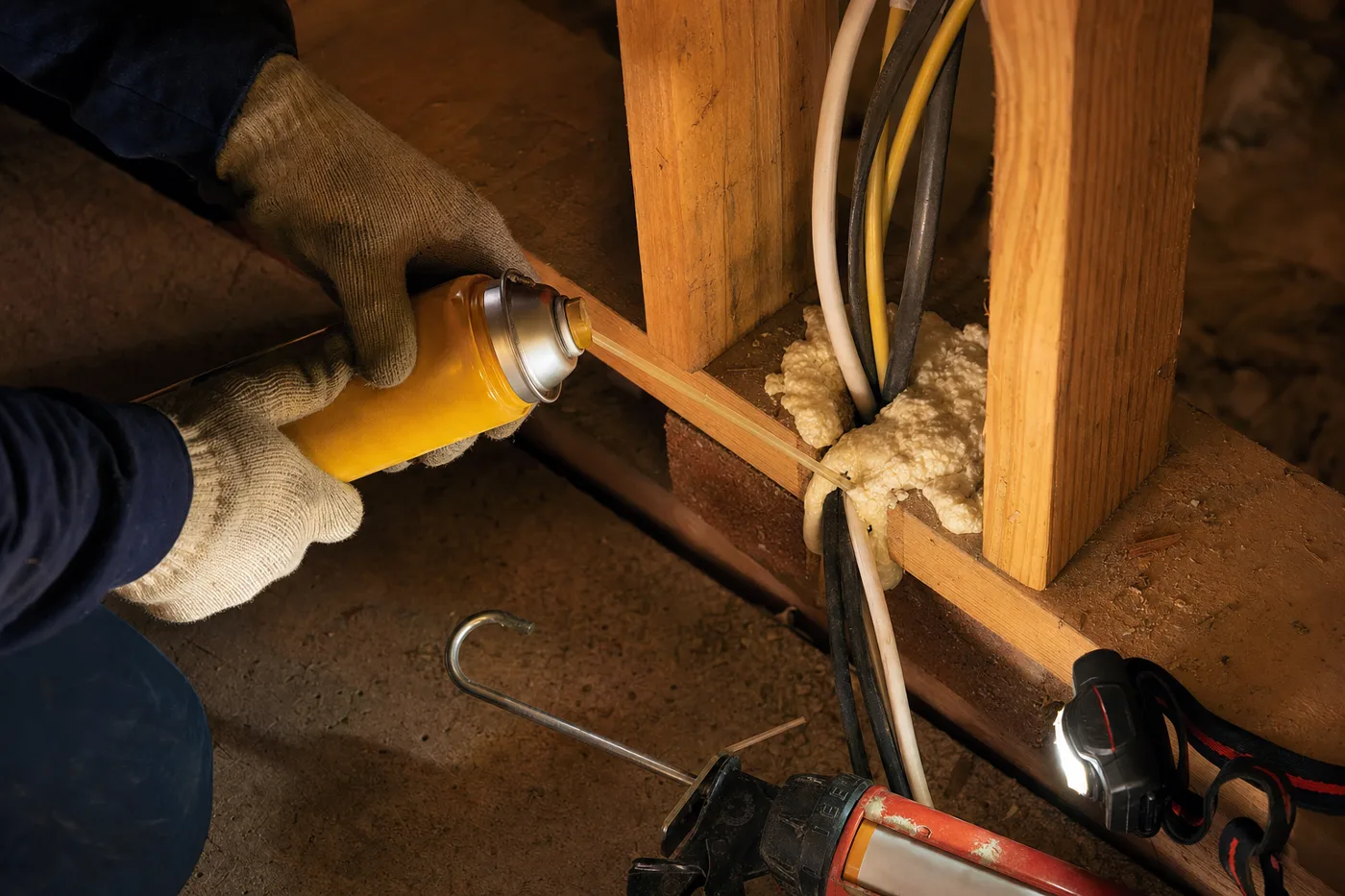
Insulation gets the glory, but air leakage is the quieter thief — a typical older home exchanges its entire volume of heated or cooled air with the outdoors every hour or two, through hundreds of small honest gaps. Professional energy auditors find them with a blower door that depressurizes the house. You can find most of the same leaks with a $2 pack of incense and a windy day, and seal them with foam and caulk for less than a month’s utility bill.
Think like the air: the stack effect
Warm air rises and escapes through every gap at the top of the house, which pulls cold outside air in through every gap at the bottom — a chimney made of the whole building. That’s why the attic floor is the highest-value hunting ground, not the drafty living-room window everyone blames first. Seal the top and the bottom, and the middle largely takes care of itself.
Run the smoke test on a blustery day
Pick a windy day, close every window and door, and turn on the kitchen and bath exhaust fans to depressurize the house — a poor man’s blower door. Walk the perimeter with a lit incense stick held near outlets, window sashes, baseboards, the attic hatch, plumbing penetrations, and recessed lights. Wherever the smoke ribbon dives or dances sideways, you’ve found a leak. Mark each with painter’s tape and keep a list.
Seal the attic floor first
Suit up — mask, gloves, headlamp, boards to kneel across joists — and hunt the classics: wiring and plumbing holes through the top plates (foam), gaps around ceiling electrical boxes (caulk), the open chase around plumbing vent stacks (foam, or foam over a backer for big gaps), and the joint where drywall meets top plates on interior walls. Dirty, dust-streaked insulation is a map: filtered air has been moving through those spots for years.
Respect the hot stuff
Around chimneys and metal flues, ordinary foam is a fire hazard — building codes require the gap be sealed with metal flashing and high-temperature caulk, keeping combustibles their required distance from the flue. Non-IC-rated recessed lights can’t be covered or foamed either; airtight retrofit trims or IC-rated replacements are the fix there.
Close the bottom of the stack
In the basement or crawl space, foam the holes where pipes, ducts, and cables pass through the rim joist area, and caulk the sill-plate-to-foundation joint if you can reach it. This is the intake side of the chimney effect — every cubic foot that can’t sneak in down low is a cubic foot that stops being pulled out up high.
Finish with the living-space quick wins
Foam gaskets behind every exterior-wall outlet and switch plate (five minutes each), minimal-expanding foam in the gap between window jambs and framing where trim allows, weatherstripping on leaky exterior doors, and a sweep on the door with daylight under it. The attic hatch gets weatherstripping and a foam-board cap — it’s usually the single biggest hole in the ceiling plane.
If your home has atmospherically vented gas appliances — an older water heater or furnace with a draft hood — aggressive sealing can, in rare cases, cause flue gases to backdraft. After a major sealing weekend, have your HVAC tech run a combustion-safety check at the next service, and make sure carbon monoxide alarms are live on every floor.
Insulation is a sweater. Air sealing is the windbreaker — and nobody wears a sweater in the wind.
Measure the win
Compare heating and cooling bills against last year’s same months; 10 to 20 percent savings from a thorough sealing weekend is common in older homes, and the comfort change — no more cold ankles in the hallway — shows up the first windy night. Once the house is tight, the next dollar goes to attic insulation, which now finally gets to do its job without a breeze blowing through it.
Keep the momentum going
All articles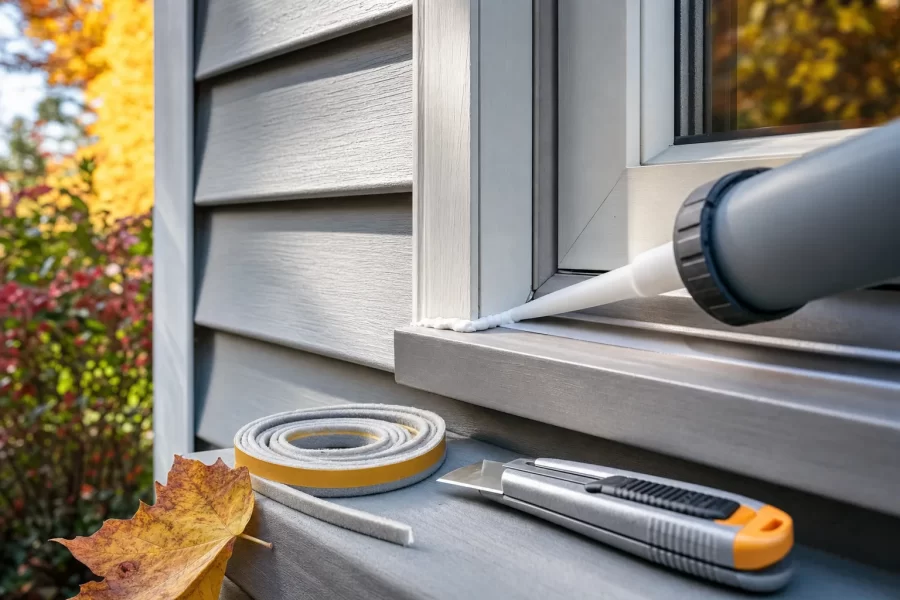
Seal It Up: Weatherproofing Your Home Before the Seasons Turn
A DIY weatherproofing checklist: find air leaks, caulk exterior gaps, add weatherstripping and door sweeps, and cut drafts for about $40 in materials.
Top Up Attic Insulation to R-49 the Right Way
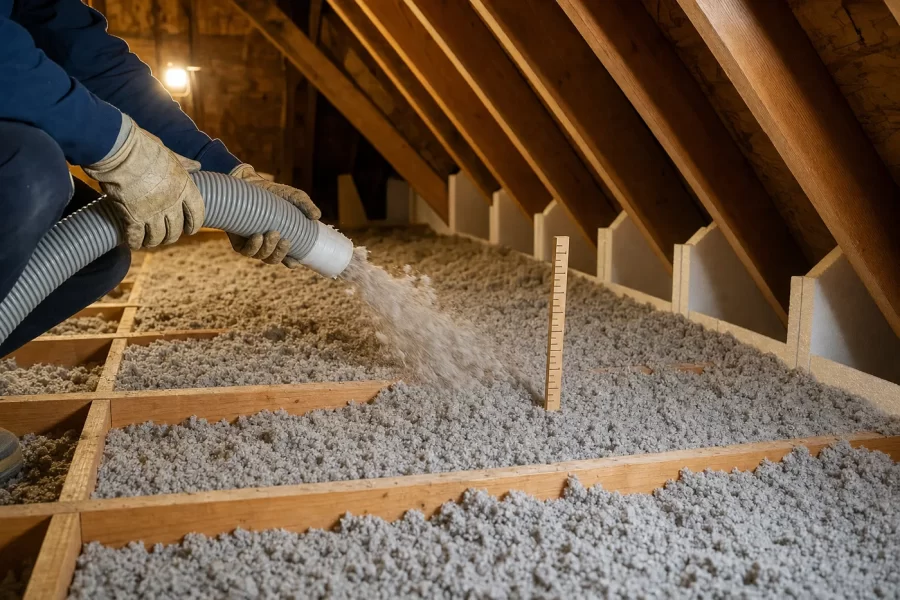
A step-by-step guide to topping up attic insulation: air-seal first, install baffles, choose blown-in over batts, and verify depth with rulers every ten feet.

How to Paint Kitchen Cabinets Like a Pro
A step-by-step DIY guide to painting kitchen cabinets: degreasing, sanding, priming, and roller technique for a factory-smooth finish on a weekend budget.